
A guest post by commenter Jefe:
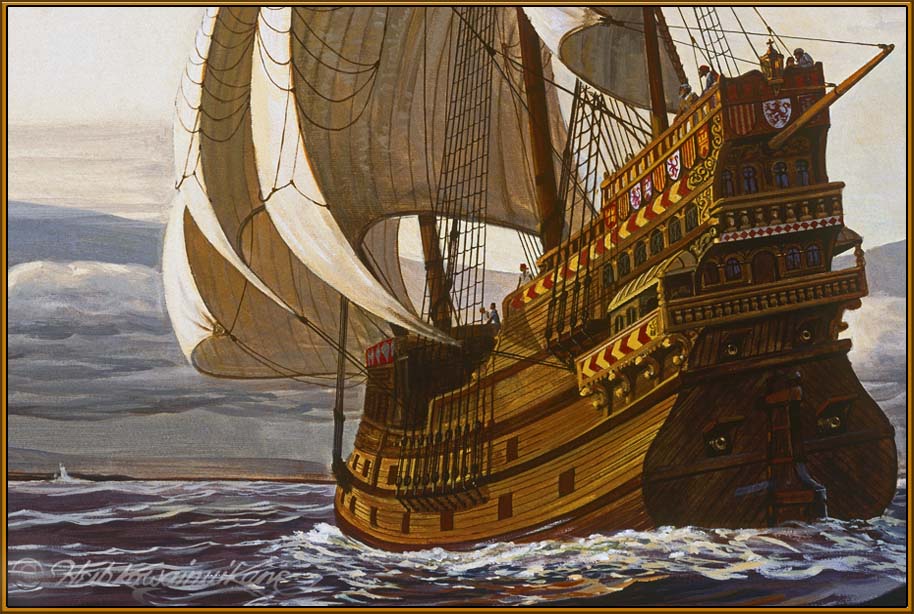
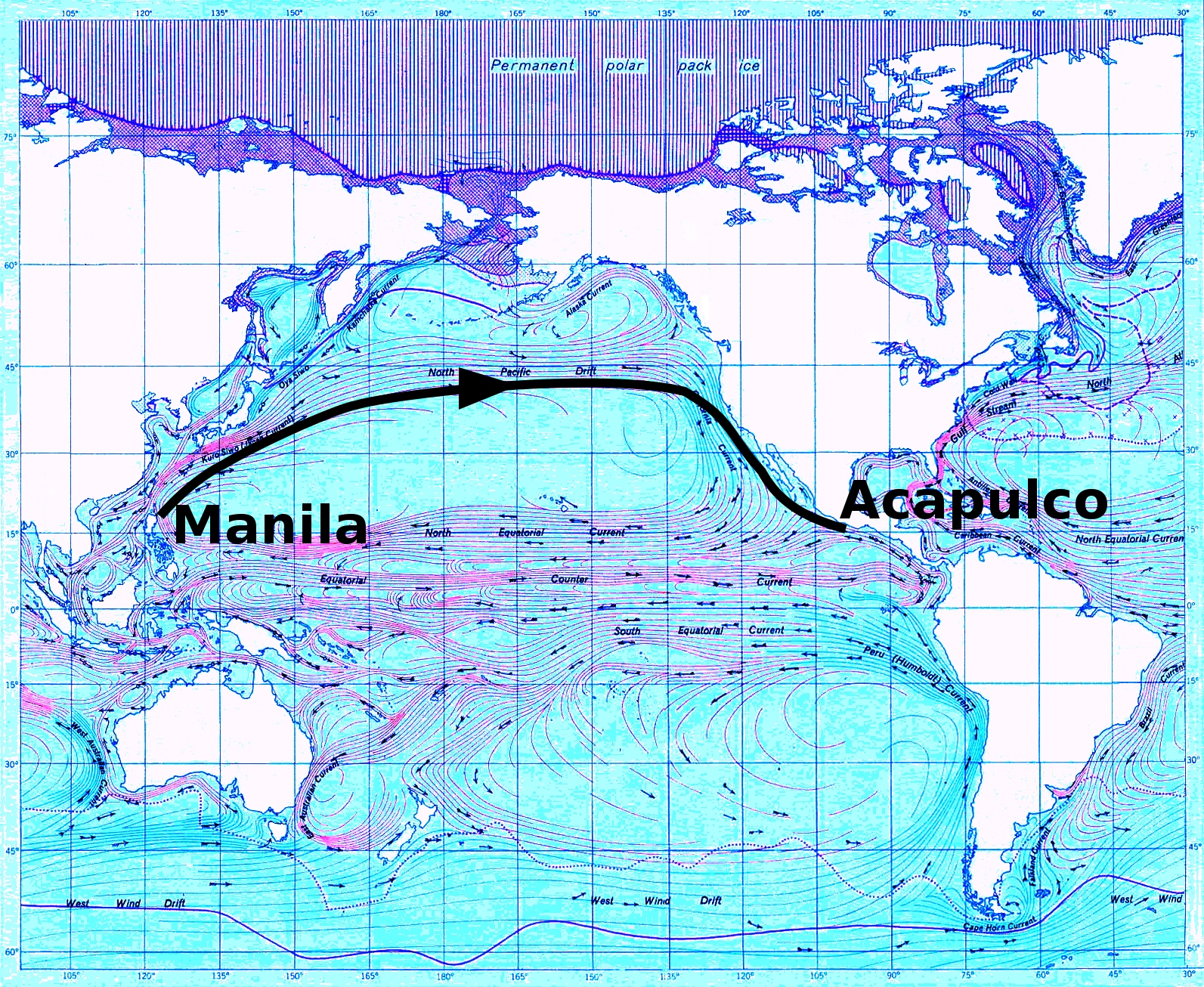
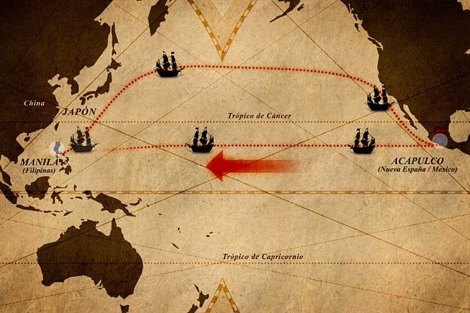
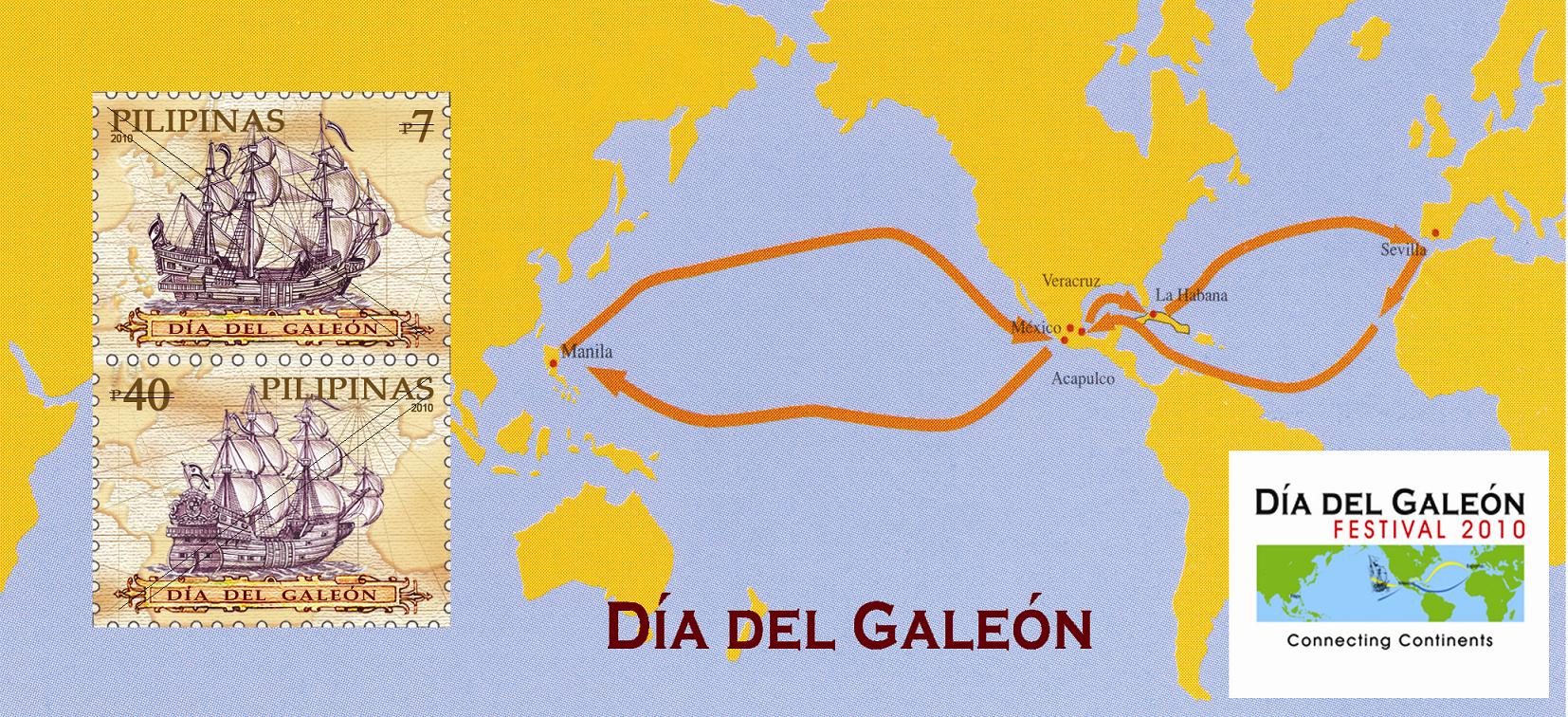
Asians first arrived in post-Colombian North America aboard the Manila Galleons in the 1580s. Some worked on the Spanish Treasure Fleet from Veracruz which plied the waters of the Caribbean and Gulf of Mexico on the way to Spain.
Starting in 1763, Filipinos sometimes deserted the ships in the Gulf of Mexico to escape the brutalities meted out by the Spanish. These Manilamen (also called “Tagalas”) formed communities in the Louisiana Bayou, building their houses on stilts and kept themselves apart from the rest of Louisiana society. Very few women joined these ships, so the men formed families with Cajun, Native American or Creole women. Saint Malo, one of their fishing villages, was continuously occupied until a hurricane wiped it out in 1915.

Siamese Twins Chang and Eng Bunker settled in North Carolina in the early 1800s.
In the early 1800s a trickling of Asians entered the South. These included the Siamese Twins, Chang and Eng Bunker (pictured), ethnic Chinese from Thailand, who entered the US in 1829. In 1839, they each married white women and settled in North Carolina and became naturalized citizens (requiring their classification as “white”). They even owned black slaves, and their sons fought on the Confederate side of the Civil War.
In the middle 1800s Chinese-American immigration exploded. Over 300,000 entered California between the California Gold Rush (1848) and the Chinese Exclusion Act (1882).
In the late 1860s they started coming South after:
- the Civil War freed the slaves (1865),
- the Burlingame Treaty (1868) expanded Chinese immigration, and
- the completion of the Transpacific Railroad (1869) was followed by increasing racial violence in the West.
- the completion of the Suez Canal (1869) facilitated trans-Atlantic travel from Asia.
Southern plantation owners, hearing of how effective Chinese labour was in building the railroads in the West and working on plantations in the Caribbean, devised schemes to lure Chinese to come to the South to replace black slaves. They believed non-citizens who could not vote could be controlled more easily than freed slaves. They even sent delegations to China to recruit labour.
By the 1870s, thousands of Chinese were working on plantations in Mississippi, Arkansas and Louisiana, in the port city of New Orleans, and even in the cotton fields of South Carolina and Georgia.
Governor Powell Clayton of Arkansas observed:
Undoubtedly the underlying motive for this effort to bring in Chinese laborers was to punish the negro for having abandoned the control of his old master, and to regulate the conditions of employment and the scale of wages to be paid him.

Louisiana in 1870: Chinese coolies working on a sugar plantation
However, the Burlingame treaty required employers to engage the Chinese with labour contracts, which they soon learned the white plantation owners had no intention to honour. They were treated as nothing more than slaves. They went on strike. When that did not work, they fled the plantations. The Chinese Exclusion Act then abruptly halted Southerners’ ability to recruit additional Chinese labour after 1882.
By the late 1880s, few if any Chinese were still working on southern plantations. Whites viewed the labour importation scheme as a complete failure.
Some Chinese left the South, particularly to cities in the East and Midwest, but some remained and went onto other occupations, such as grocers to black sharecroppers.
Sources: “Margins and Mainstreams: Asians in American History and Culture” (1994) by Gary Y. Okihiro and “Mississippi Chinese” (1971) by James Loewen.
See also:
- John Jung, Chinese-American historian who grew up in Macon, Georgia – He has pages and pages of content about Chinese who settled in the South.
- “Chinese in the Post-Civil War South: A People Without History” (1984) by Lucy M. Cohen (Amazon page)
- Manila galleons
- Chinese Exclusion Act
- Transpacific slave trade
- coolie
- Asian Americans
- What I was not taught about American history












 Abagond